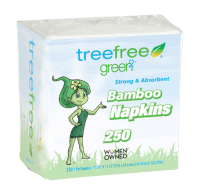
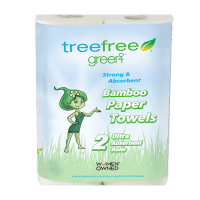
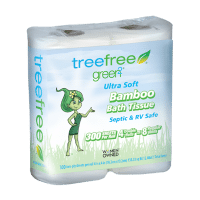
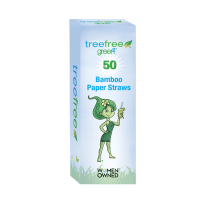
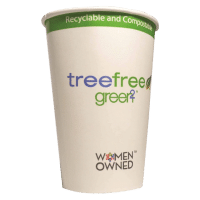
Customers and Distributors love our line of
Tree Free Bamboo Paper Products.
Tree Free Bamboo Paper Products.
Testimonials
Why should we use Bamboo Paper?
There are many reasons why we should use bamboo paper. Here are a few of the most important ones:
- Sustainability: Bamboo is a renewable resource that proliferates. Bamboo paper can be produced without cutting down trees, which is a significant environmental benefit.
- Strength: Bamboo paper is solid and durable. It is often used for packaging and other applications where power is essential.
- Absorbency: Bamboo paper is absorbent, making it ideal for use in products like toilet paper and paper towels.
- Brightness: Bamboo paper is bright and white, making it a good choice for printing and other applications requiring high-quality paper.
- Bacteriostatic: Bamboo paper has natural antibacterial properties, making it a healthier choice for some applications.
- Recyclable: Bamboo paper can be recycled like paper made from trees. This helps to reduce waste and protect the environment.
Bamboo paper is a sustainable, strong, absorbent, bright, bacteriostatic, and recyclable alternative to paper made from trees. It is a good choice for anyone looking for a more environmentally friendly way to use paper.
Here are some additional benefits of using bamboo paper:
- It helps to reduce deforestation. Bamboo is a fast-growing plant that can be harvested without causing deforestation. This contrasts trees, which take many years to grow and can only be harvested once.
- It helps to conserve water. Bamboo requires less water to grow than trees. This is important in areas where water is scarce.
- It helps to reduce air pollution. Bamboo absorbs carbon dioxide from the air, which helps to reduce air pollution.
- It is a good source of jobs. The production of bamboo paper can create jobs in rural areas, which can help to reduce poverty.
Overall, there are many good reasons to use bamboo paper. It is a sustainable, environmentally friendly, and socially responsible choice.
Bamboo paper offers several potential benefits over traditional paper made from trees:
- Sustainability and Environmental Impact: Bamboo is a highly renewable resource that grows faster than trees. While trees can take decades to mature, bamboo can be harvested within a few years. This rapid growth makes bamboo a more sustainable option for paper production, reducing pressure on forests and promoting responsible resource management.
- Carbon Sequestration: Bamboo plants are known to sequester more carbon dioxide from the atmosphere than trees, making them a valuable tool in mitigating climate change. When harvested, bamboo can be replanted quickly, allowing it to continue absorbing carbon and contributing to a healthier environment.
- Resource Efficiency: Bamboo requires significantly less water and fewer pesticides than many tree species used for paper production. This makes bamboo paper production more efficient regarding resource usage and reduces the environmental impact of water consumption and chemical use.
- Soil Health: Bamboo has an extensive root system that helps prevent soil erosion, improve soil quality, and reduce the risk of landslides. This is especially important in areas where deforestation and conventional paper production have contributed to soil degradation.
- Biodiversity Preservation: Using bamboo for paper production can help protect biodiversity by reducing the demand for logging in old-growth forests, which are often rich in unique and sensitive ecosystems.
- Versatility: Bamboo fibers can create various paper products, from fine art paper to more practical pieces used in everyday applications. This versatility makes bamboo paper suitable for a wide range of uses.
- Strength and Durability: Bamboo fibers are inherently strong, which can lead to more durable paper products. This strength can extend the lifespan of products, reducing the need for frequent replacements and thereby reducing overall consumption.
- Cultural Significance: In some cultures, bamboo holds cultural or spiritual significance, and using bamboo paper can be a way to honor and respect these traditions.
However, it’s important to note that the environmental benefits of bamboo paper depend on responsible harvesting practices, efficient processing methods, and environmentally friendly production processes. The overall ecological impact also depends on transportation, energy usage, and waste management throughout the supply chain.
Before switching to bamboo paper, it’s recommended to research and choose products from reputable manufacturers that adhere to sustainable and responsible practices.